Why we avoid it (and what avoidance costs)
We postpone hard conversations to protect the peace — but what we're actually protecting is the surface. Underneath, the unsaid thing compounds interest: resentment grows, distance grows, and the eventual conversation gets harder than the one we avoided. The topic you swallow doesn't disappear. It ferments.
Set the stage like it matters
- Book it, gently. "There's something on my mind — can we talk tonight after dinner?" No ambush, no dread-inducing "we need to talk" text at 2 p.m. A small heads-up lets both nervous systems arrive prepared.
- Pick neutral ground and low fuel. Not mid-hunger, not mid-exhaustion, not mid-scroll. A walk works wonders: side by side, moving, no eye-contact pressure.
- One topic per conversation. Hard talks fail when they become audits. Tonight is about the one thing. The archive stays closed.
The opener decides the weather
The first sentence sets whether you're opponents or teammates. Three openers that keep you on the same side:
- "I want us to be good, which is why I need to say this…" — states the goal before the grievance.
- "This is hard for me to bring up, so bear with me…" — vulnerability first; it disarms defensiveness better than any argument.
- "I've noticed something and I'd rather talk about it than quietly resent it…" — honest about the alternative, which is exactly what makes the conversation a gift.
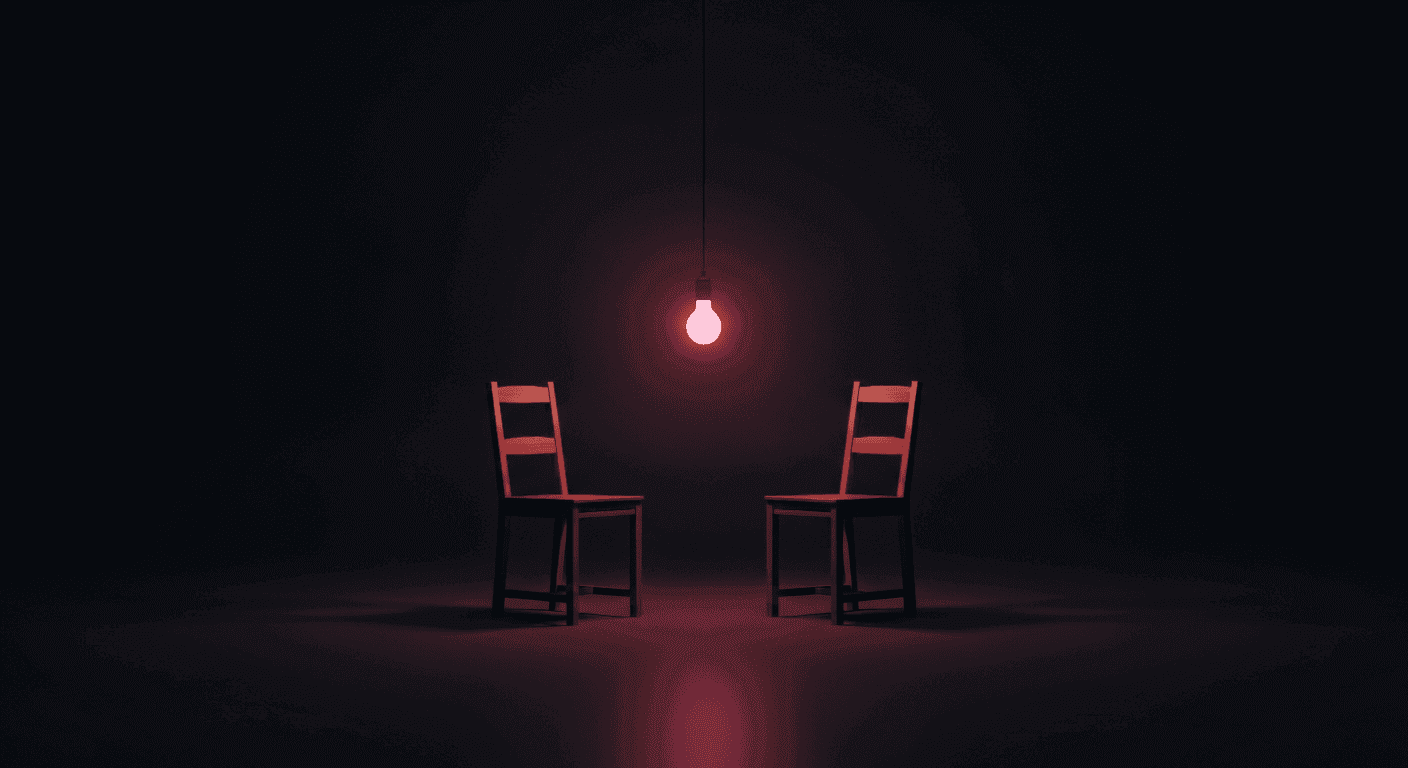
And the frame that holds everything: it's the two of you versus the problem — never you versus them. Sit on the same bench, put the issue on the table across from you both.
When it wobbles anyway
Voices rise? Slow yours down — calm is contagious in both directions. They get defensive? Return to the goal: "I'm not attacking you. I'm telling you because I want us closer, not because I'm keeping score." And if it truly derails, pause without abandoning: "Let's breathe and finish this after dinner — it matters to me that we land it."
The takeaway
Hard conversations are a tax on closeness — you either pay it in honest minutes now or in silent months later. Build the moment, open on the same side, keep it to one topic. The couples who talk about the hard things aren't the ones with the most problems. They're the ones with the fewest secrets.